SHOCKING EXCLUSIVE: Newcastle’s Elliot Anderson in PSR NIGHTMARE – ‘INSANE’ £22M-PER-YEAR BOMBSHELL Deal Could RIP THE PREMIER LEAGUE APART!
Elliot Anderson’s progress highlights Newcastle’s regret, yet a comeback seems out of reach.

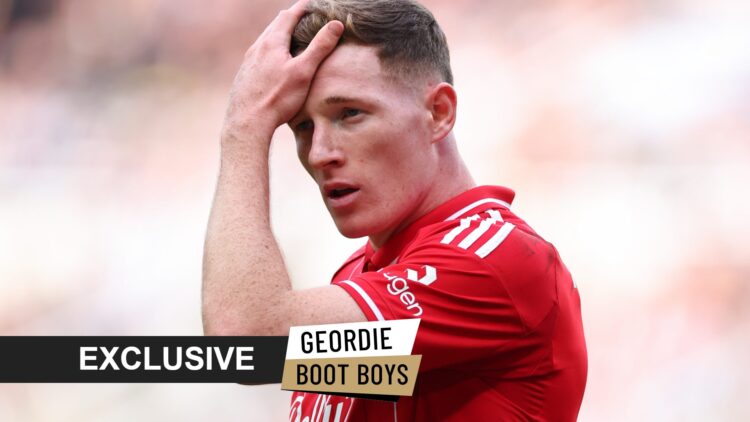
Newcastle United’s decision to sell Elliot Anderson to Nottingham Forest for around £35 million last summer remains one of the most controversial financial moves the club has made in recent years.
At the time, the Magpies were scrambling to avoid breaching the Premier League’s Profit and Sustainability Rules (PSR), and Anderson – as an academy graduate – represented “pure profit” on the balance sheet.
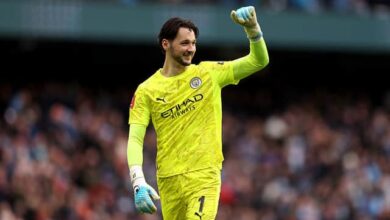
Forest, meanwhile, sent goalkeeper Odysseas Vlachodimos to Tyneside for roughly £20 million, with both transfers completed before the 30 June PSR deadline.
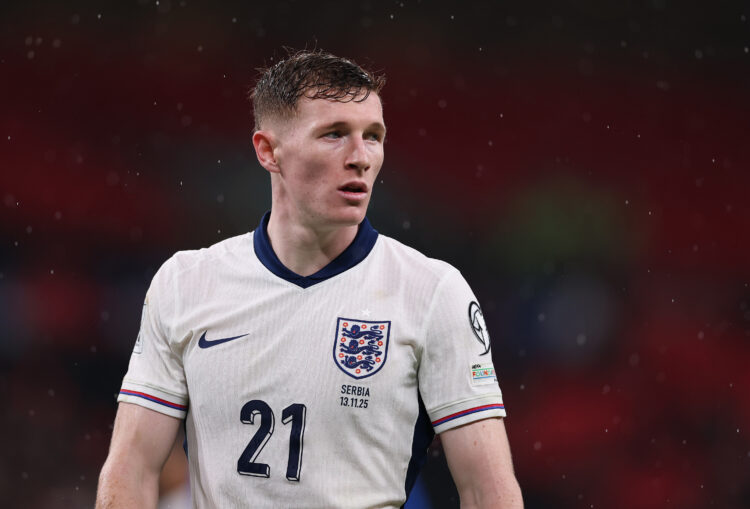
Finance expert Adam Williams explained that Anderson’s sale provided immediate financial relief because his transfer fee counted entirely toward Newcastle’s 2023–24 accounts.
In contrast, the incoming cost of Vlachodimos is spread across the four years of his contract, meaning only £5m was recorded in that same financial year.
This accounting manoeuvre allowed both clubs to temporarily boost their PSR positions.
However, Williams describes it as a short-term fix, noting that Newcastle essentially gained just £15m in real terms once wages and remaining amortisation on Vlachodimos are factored in—especially as the goalkeeper has contributed little on the pitch.
Since leaving St James’ Park, Anderson has quickly developed into one of the Premier League’s brightest young midfielders and earned a place in the England squad.
His form has now attracted strong interest from Manchester United, while the player himself is believed to be open to a future return to Newcastle.
Forest, aware of his rising value, are said to be demanding up to £100m, though Williams suggests a realistic fee could settle nearer £80m.
Even at that lower price, a return poses major financial challenges for Newcastle. An £80m fee over a five-year contract would equate to £16m per year in amortisation alone, with wages likely adding another £6m annually.
Williams estimates the total yearly impact at around £22m—far more than the club could absorb lightly.
While Anderson’s original sale still counts as profit in the ongoing PSR calculation window (2023–24 to 2025–26), that benefit expires at the end of the current season.
If Newcastle were to re-sign him in January, his immediate hit to the books would be £11m, making the deal even more problematic.
Williams argues that, while Newcastle should not let pride dictate their decisions, bringing Anderson back simply doesn’t make financial sense given the scale of the outlay.
He also reflects that the club may one day question whether avoiding a hypothetical PSR punishment was worth losing a homegrown talent who could now cost £50–£70m more to re-sign.
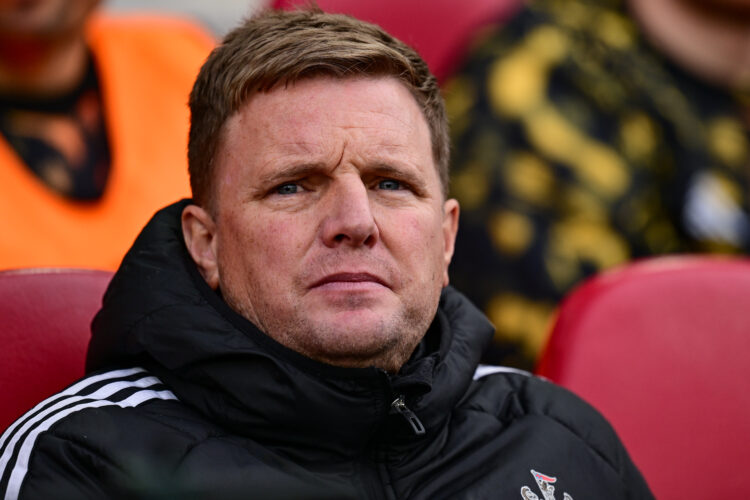
Manager Eddie Howe has also cast doubt on a return, admitting the original sale was rushed and that Newcastle had no leverage to negotiate buyback clauses.
As January approaches, the practicality of securing Anderson again appears increasingly slim—no matter how popular the idea may be among supporters.